Wooden Toys with Educational Benefits That Will Appeal to Parents
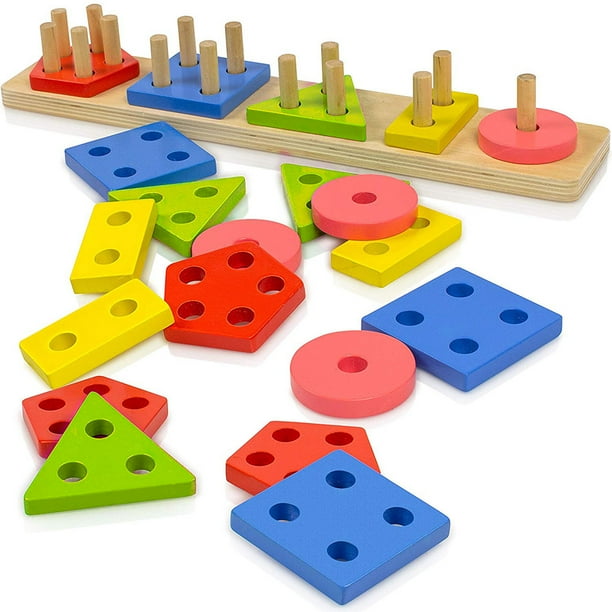
Wooden Toys with Educational Benefits That Will Appeal to Parents
In the realm of childhood development, toys play a pivotal role in fostering imagination, creativity, and cognitive skills. While the allure of electronic gadgets and digital entertainment is undeniable, the timeless appeal of wooden toys continues to captivate parents seeking to nurture their children's growth in a holistic manner. Wooden toys, crafted from natural materials, offer a unique blend of durability, aesthetics, and educational value, making them an ideal choice for families seeking enriching play experiences.
The inherent simplicity of wooden toys allows children to engage their imaginations and explore their own creative potential. Unlike electronic toys that often dictate play patterns, wooden toys provide a blank canvas upon which children can build their own narratives and scenarios. This open-ended nature fosters creativity, critical thinking, and problem-solving abilities, empowering children to think outside the box and develop their own unique perspectives.
Moreover, wooden toys are renowned for their durability and longevity. Crafted from solid wood, they can withstand the rigors of imaginative play, lasting for generations. This sustainability aspect resonates with environmentally conscious parents who seek toys that are built to last and minimize waste. The timeless appeal of wooden toys also extends to their aesthetic charm, with their natural grain patterns and warm hues adding a touch of elegance and sophistication to any playroom.
Educational Benefits of Wooden Toys
Beyond their aesthetic appeal, wooden toys offer a multitude of educational benefits that contribute to children's cognitive, social, and physical development. Let's delve into some of the key advantages:
Cognitive Development
- Enhanced Problem-Solving Skills: Wooden puzzles, building blocks, and construction toys challenge children to think critically and devise solutions to spatial problems. They learn to analyze shapes, sizes, and patterns, developing their spatial reasoning and problem-solving skills.
- Improved Fine Motor Skills: Manipulating small wooden pieces, such as blocks or beads, enhances children's dexterity and fine motor skills. This is crucial for tasks such as writing, drawing, and buttoning clothes.
- Stimulated Imagination and Creativity: Wooden toys provide a blank canvas for imaginative play, allowing children to create their own stories, characters, and scenarios. This fosters creativity, language development, and the ability to think outside the box.
- Early Math Concepts: Sorting, counting, and matching wooden blocks or beads introduce children to basic math concepts in a playful and engaging manner. They learn to recognize numbers, understand quantities, and develop their numerical reasoning skills.
Social and Emotional Development
- Encouraged Collaboration and Communication: Wooden toys, such as play kitchens, dollhouses, or building blocks, naturally facilitate social interactions and communication. Children can role-play, negotiate, and collaborate, fostering social skills and emotional intelligence.
- Promoted Emotional Regulation: Engaging in open-ended play with wooden toys allows children to express themselves freely, exploring various emotions and developing healthy coping mechanisms. The tactile nature of wooden toys can also provide a sense of comfort and security.
Physical Development
- Improved Gross Motor Skills: Wooden toys, such as ride-on toys or push-and-pull toys, encourage physical activity and promote the development of gross motor skills, including balance, coordination, and strength.
- Enhanced Sensory Experiences: The natural textures and warmth of wood provide rich sensory experiences for children. They can feel the smooth grain of a wooden block or the rough texture of a wooden doll, stimulating their tactile senses.
Types of Educational Wooden Toys
The world of wooden toys is vast and diverse, offering a wide range of options to cater to different interests and developmental stages. Here are some popular categories of educational wooden toys:
Building Blocks
Building blocks, a cornerstone of early childhood play, provide endless possibilities for imaginative construction and spatial reasoning. From classic wooden blocks to more intricate sets with unique shapes and textures, building blocks encourage creativity, problem-solving, and hand-eye coordination.
Puzzles
Wooden puzzles, ranging from simple jigsaw puzzles to challenging 3D puzzles, engage children's cognitive abilities. They learn to analyze shapes, colors, and patterns, developing their spatial reasoning, critical thinking, and problem-solving skills.
Construction Toys
Construction toys, such as wooden train sets, building kits, and magnetic tiles, encourage children to design and build their own structures. These toys promote creativity, spatial awareness, and fine motor skills.
Musical Instruments
Wooden musical instruments, such as xylophones, drums, and tambourines, expose children to the world of music and rhythm. They learn to create sounds, explore different rhythms, and develop their musicality.
Dollhouses and Play Kitchens
Dollhouses and play kitchens provide opportunities for imaginative role-playing and social interaction. Children can create their own stories, explore different roles, and develop their communication skills.
Tips for Choosing Wooden Toys
With so many options available, selecting the right wooden toys for your child can seem overwhelming. Here are some tips to guide your decision-making process:
- Consider Your Child's Age and Interests: Choose toys that are age-appropriate and align with your child's interests. Wooden toys are available in various sizes, shapes, and levels of complexity to cater to different developmental stages.
- Look for High-Quality Craftsmanship: Opt for toys made from durable, sustainably sourced wood. Ensure that the finish is non-toxic and safe for children. Check for smooth edges, sturdy construction, and a lack of sharp corners or loose parts.
- Prioritize Open-Ended Play: Choose toys that allow for creative exploration and encourage children to use their imaginations. Avoid toys with limited play patterns or pre-programmed functions.
- Seek Educational Value: Look for toys that promote cognitive, social, and physical development. Consider how the toy can engage your child's senses, encourage problem-solving, or foster communication skills.
- Read Reviews and Seek Recommendations: Explore online reviews and seek recommendations from other parents to gather insights into the quality, durability, and educational value of specific wooden toys.
Conclusion
In an era dominated by digital technology, wooden toys remain a timeless treasure, offering a unique blend of durability, aesthetics, and educational value. From fostering creativity and imagination to enhancing cognitive and physical skills, wooden toys play a vital role in nurturing well-rounded children. By embracing the simplicity and charm of wooden toys, parents can create enriching play experiences that stimulate their children's growth and development.


Comments
Post a Comment